
Shotgun Ammo Explained: Choose the Right Shell for Hunting, Defense, and Sport
Shotgun ammo is a self-contained cartridge consisting of a shell casing, primer, powder, wad, and shot or a single slug, all crimped securely at the mouth. When the trigger is pulled, the primer ignites the powder, generating expanding gases that propel the wad and payload down the barrel in a single, powerful burst. This design delivers a spread of multiple projectiles for close-range pattern effectiveness, while a slug provides a single, massive projectile for precise, longer-distance impact. specialty sports For use, simply insert the shell into the chamber, close the action, and fire, with gauge and shell length determining proper fit.
What the Numbers on the Box Actually Mean: Gauge, Shell Length, and Load
The numbers on a shotgun box decode your chamber and payload. Gauge (12, 20, .410) is the bore diameter derived from lead balls per pound—lower gauge means wider bore, more recoil, and larger shot. Shell length (2¾”, 3″, 3½”) is the fired case length; your gun’s chamber must match or exceed it—never shoot a 3″ shell in a 2¾” chamber, as pressure spikes dangerously. Load appears as shot weight (oz) and shot size (e.g., #7½, #4)—heavier ounce counts for more pellets, smaller shot numbers for larger pellets. Match these to your target: light loads for clay, heavy magnum for waterfowl.
Always verify the barrel’s stamp; the box’s numbers are meaningless if they exceed your firearm’s stated limits.
That trio—gauge, length, load—is the entire ballistic contract before you pull the trigger.
Gauge vs. Bore Diameter: Why 12, 20, and .410 Aren’t the Same
Gauge and bore diameter are often conflated, yet they define different realities. A 12-gauge’s bore is 18.5mm, a 20-gauge’s is 15.6mm, and the .410 is a true caliber—0.410 inches—not a gauge at all. The number “12” historically means twelve lead balls of that bore’s diameter weigh one pound, so smaller gauge numbers yield wider bores. This is why a 20-gauge shell will not chamber in a 12-gauge barrel, and why the .410, being a diameter measurement, fits neither system. Understanding gauge versus bore diameter prevents dangerous ammunition mismatches. Recoil and payload scale with bore area, so a 20-gauge sits closer to a 12 than to a .410, despite marketing suggesting otherwise. Always verify the stamped bore, not the name, before loading.
Gauge derives from lead-ball weight per pound; .410 is a raw inch measurement—knowing this distinction ensures you select the correct shell for your shotgun’s bore.
Decoding 2¾, 3, and 3½ Inch Shells and What Your Gun Will Accept
The numbers 2¾, 3, and 3½ refer to the shell case length after firing, measured in inches. This dimension dictates chamber compatibility: a 3-inch chamber safely fires 2¾ and 3-inch shells, but a 2¾-inch chamber cannot accept longer rounds, as the crimp will not open correctly, causing dangerous pressure spikes. Conversely, a 3½-inch magnum chamber handles all three lengths, providing maximum payload flexibility. Your shotgun’s chamber length is stamped on the barrel, and you must match or exceed the shell length—never go shorter than the gun’s rating. Understanding this hierarchy prevents cycling failures and barrel damage. For waterfowl or turkey, the 3½-inch shell delivers the heaviest loads, but the recoil is punishing.
Q: Can a 3-inch gun safely fire 3½-inch shells? A: Absolutely not; the shell is physically too long for the chamber, so the bolt will not close, and firing could rupture the case.
Shot Weight and Velocity: How They Change Recoil and Downrange Energy
Shot weight and velocity are the twin dials governing both recoil and downrange energy. Heavier shot, such as #4 buck versus #8 birdshot, delivers more total foot-pounds of energy at the target because mass directly scales impact. However, that added weight also increases felt recoil proportionally, as Newton’s third law dictates. Velocity, measured in feet 6.5 Creedmoor Ammo for Sale per second (fps) from the box, dictates the flatness of trajectory and the speed of energy transfer; faster loads flatten arc but harden perceived recoil, especially in lighter guns. A 1-ounce load at 1,300 fps recoils noticeably less than a 1¼-ounce load at 1,200 fps, despite the latter hitting harder at range. Balancing shot weight and velocity is the core tradeoff between shootability and terminal effect. For close-range patterns, reduce velocity to soften recoil; for longer shots, accept more kick to maintain downrange energy.
Heavier shot boosts downrange energy but increases recoil; higher velocity flattens trajectory but sharpens kick—choose the balance that fits your target distance and shoulder tolerance.
Shot Size and Material: Which Pellets Work for Which Target
For shotgun ammo, matching shot size and material to the target is non-negotiable. Lead remains the baseline for most upland birds and small game, with #6 or #7.5 shot delivering dense patterns for flushing pheasants or clays, while #4 lead drops foxes and larger varmints cleanly. For waterfowl, steel is mandatory, so step up to #2 or #3 steel for ducks and BB or T steel for geese—the lighter material needs bigger pellets to retain downrange energy. If you want barrier penetration on heavy cover, bismuth and tungsten alloys crush brush where lead flattens and steel ricochets. For close-range rabbit or squirrel, #5 lead in a light load is ideal; for turkey, use #5 or #6 copper-plated lead to punch through feathers at 40 yards.
Never use steel on thin-skinned small game—it shreds meat, while lead or softer alloys expand properly.
Match pellet hardness to the target’s toughness, and you’ll get humane kills and full plates.
Birdshot Sizes (#4 to #9) for Small Game and Clay Targets
Birdshot sizes #4 through #9 deliver the dense patterns needed for small game and clay targets without over-penetrating. For rabbits and squirrels, #4 or #5 shot provides enough pellet mass for clean ethical kills at 20–30 yards, while #6 remains the versatile choice for pheasants or early-season doves. For clay shooting, #7.5 and #8 are dominant—their small pellets create tight, consistent breaks on trap and skeet targets, minimizing cartridge cost and recoil. Fine #9 shot excels at close-range quail or sporting clays, where rapid target fragmentation matters more than penetration. Always match pellet diameter to target fragility: hard clays demand #8, while feathered game requires #6 or larger for reliable knockdown.
Match #4–#6 for fur and tough birds, #7.5–#8 for standard clay targets, and #9 only for close, fragile clays—pattern density beats raw power.
Buckshot (00, 0, #1, #4) for Defensive and Large Game Loads
For defensive and large game loads, buckshot pellet selection hinges on penetration depth and pattern density. In home defense, 00 buck delivers roughly nine .33-inch pellets with adequate barrier penetration, while #4 buck offers more projectiles with reduced overpenetration risk. For deer-sized game, 0 and 00 buckshot provide ethical stopping power inside 40 yards, but #1 buck balances pellet count and energy for medium-bodied animals. A clear sequence applies: first, match shot size to target class—00 for close-range threats, #1 for versatile hunting—then verify your shotgun’s choke (cylinder or improved cylinder) to keep patterns tight; finally, pattern-test at your intended distance, as defensive loads demand consistently dense hits within torso-sized target zones.
Slugs: Rifled, Foster, and Sabot Options for Maximum Precision

For maximum precision with shotgun slugs, the projectile’s design and barrel interface determine accuracy. Rifled slugs, with a hollow base and angled vanes, are designed for smoothbore barrels, engaging the bore’s rifling through deformation. Foster slugs, a classic lead or copper-plated type, are essentially a light rifled slug, suiting smoothbores but sacrificing long-range consistency. Sabot slugs, however, are sub-caliber projectiles wrapped in a plastic sabot that separates after leaving a fully rifled barrel, delivering the tightest groups at extended ranges. Practically, choose Foster or rifled slugs for standard smoothbore hunting inside 75 yards, while sabot loads demand a rifled slug barrel and offer precision beyond 125 yards.
| Slug Type | Barrel Requirement | Effective Range | Precision Level |
|---|---|---|---|
| Rifled (Foster-style) | Smoothbore or rifled | Up to 50–75 yards | Moderate |
| Sabot | Fully rifled barrel only | 100–150+ yards | High |
Steel, Lead, Bismuth, and Tungsten: Choosing the Right Pellet Metal
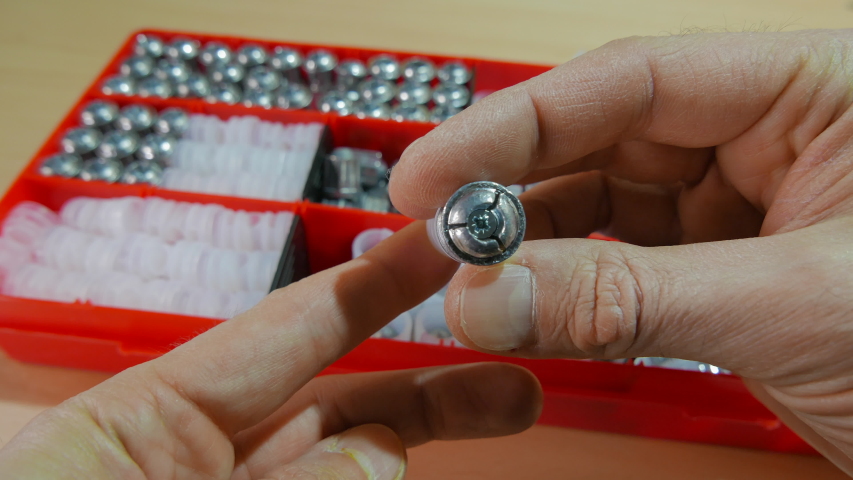
Picking between steel, lead, bismuth, and tungsten really comes down to your gun and your quarry. Lead is cheap and dense, but it’s banned for waterfowl in many spots. Steel is the budget-friendly alternative, though it’s light and requires bigger shot sizes to carry energy. Bismuth is a softer, non-toxic choice that patterns well in older barrels, but it’s pricey. Tungsten is the premium performer—super dense, hits hard at range, and downs birds cleanly, but it’ll dent your wallet. Choosing the right pellet metal hinges on balancing cost, gun compatibility, and ethical kills.
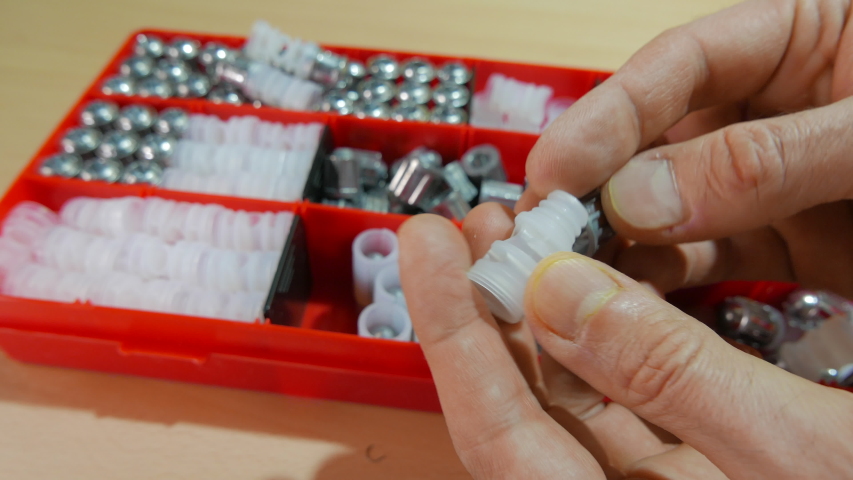
- Steel: great for practice and waterfowl, but use larger shot.
- Bismuth: safe for vintage guns, less recoil than steel.
- Tungsten: best density, ideal for long shots on tough birds.
How to Match the Shell to Your Specific Barrel and Choke
Matching the shell to your barrel and choke starts with the bore’s actual diameter, not the gauge name. A tight, factory-spec barrel paired with a full choke will spike pressures with heavy, slow steel loads, so stick to lighter shot and faster powders that burn consistently. For a cylinder or improved cylinder choke, use larger shot (BB or #2) for pattern density at close range, but avoid buffered loads that can deform in a more open constriction. Conversely, an extra-full turkey choke demands a short, high-velocity shell—preferably with a hardened shot cup—to keep the column intact; long hulls can bulge at the forcing cone. Shotgun ammo selection hinges on choke-specific patterning: fire three shells of each candidate load at 40 yards, measure the pellet spread, and only then commit. A slug barrel with a rifled choke requires sabot rounds, not foster-style lead, to avoid keyholing.
Bore Restrictions and Choke Tubes: How They Affect Shot Patterns
Your barrel’s internal constriction—the choke—forcibly shapes the shot string. A tight choke squeezes the shot Shotgun Ammo for Sale column, delaying pellet spread and driving dense patterns far downrange, ideal for distant birds or slugs. Conversely, an open cylinder bore offers zero restriction, unleashing a wide, forgiving pattern perfect for close-quarters quail or flushing grouse. Matching your shell’s payload and shot size to this constriction is critical: heavier loads in a full choke can produce deformed pellets and erratic patterns, while light loads through a tight bore may fail to seal, causing blown patterns. Test each ammo brand at your exact choke setting to see the real-world differences.
Bore restriction dictates pattern density and spread; pair your shell’s velocity and shot size to the choke’s 7mm-08 Ammo for Sale constriction for consistent, effective results.
What Happens When You Fire a Heavy Payload Through a Tight Choke
Firing a heavy payload through a tight choke compresses the shot column with sudden, extreme force, spiking pressure at the forcing cone. This can deform pellets excessively, especially soft lead, 6.5 PRC Ammo for Sale creating a donut-shaped pattern with a hollow center and flyers that slash accuracy. The heavier mass also resists the constriction, increasing recoil impulse and potentially causing a slight barrel bulge or choke ring if the bore has any obstruction or debris. A dense load physically struggles to pass the narrow constriction, so patterns tighten but often degrade unpredictably beyond 40 yards.
Q: Does a heavy payload through a Rimfire Ammo for Sale full choke risk damaging the barrel?
A: Yes, repeated firing of very heavy payloads through a tight constriction can stress the choke’s steel, leading to micro-cracks or a permanent widening over time. The combination of high mass and abrupt deceleration creates a localized pressure spike, but modern barrel steel usually handles it unless the load is overpressured or the choke is already flawed.
Recoil Energy, Muzzle Velocity, and Finding the Right Balance for Your Shoulder
Recoil energy is the physical punch you feel, and it climbs fast with heavier shot loads and higher muzzle velocity. A 1,300 fps load with 1¼ ounces of shot kicks noticeably harder than a 1,150 fps target load, even from the same barrel. The trick is matching velocity to your gun’s weight—lighter barrels magnify recoil, so shorter magnum shells need a heavier receiver to stay comfortable. Start with mid-velocity loads (around 1,200 fps) to pattern your choke, then adjust up only if you can keep your cheek weld and follow-through without flinching. Your shoulder’s tolerance, not the box’s numbers, decides the sweet spot. Push velocity too high and you’ll develop bad habits; drop it too low and you lose effective range.
Balance your shoulder’s comfort against muzzle velocity—pick the lightest recoil that still patterns reliably through your choke.
Modern Performance Features: Buffered, Plated, and High-Velocity Rounds
Modern performance shotgun ammunition leverages buffered, plated, and high-velocity designs to solve specific field problems. Buffered loads pack granulated material around the shot, cushioning pellets Handgun Ammo for Sale against deformation during ignition and transit, which tightens patterns and delivers more consistent penetration at extended ranges. Plated shot—typically copper or nickel over lead—prevents bore leading, reduces pellet deformation, and preserves roundness for smoother, denser cluster formation. High-velocity rounds push shot faster, flattening trajectory and increasing impact energy, crucial for waterfowl or buckshot where crosswind drift and drop ruin accuracy. Combining these features means sacrificing nothing: you get the reach of speed, the integrity of plating, and the pattern discipline of buffering.
For a hunting load, a buffered, plated, high-velocity shell is the sharpest tool because it turns raw power into repeatable, tight, long-range terminal performance.
Choose these rounds when shot consistency and energy on target matter more than raw pellet count or recoil comfort.
Copper-Plated vs. Bare Lead: Hardness, Fouling, and Pattern Density
Copper-plated shot runs harder than bare lead, resisting deformation during the setback force of ignition and while crushing through the bore’s forcing cone. That preserved spherical shape translates directly into tighter, more consistent pattern density downrange, as deformed bare lead pellets tend to fly erratically. Bare lead, being softer, shaves and sheds metallic fouling into the barrel at a higher rate, especially through chokes, whereas the copper jacket acts as a sacrificial barrier, significantly reducing bore leading. For sustained high-volume shooting or tight chokes, copper plating is the superior choice; for casual loads, bare lead’s cost advantage is offset by more frequent cleaning and open, patchier patterns at extended ranges.
Buffered Loads: How Granular Fillers Keep Pellet Deformation Low
In shotgun ammo, buffered loads incorporate granular fillers—typically fine plastic or powdered materials—that surround the shot charge inside the shell. This medium fills the inter-pellet voids, creating a semi-solid mass that resists sudden set-back forces during ignition. When the shot column accelerates down the bore, the buffer acts as a pressure-transmitting matrix, preventing the rear pellets from being driven into the front ones. The result is markedly reduced pellet deformation, which preserves roundness and maintains consistent flight characteristics. Reduced pellet deformation from buffered loads delivers tighter patterns at extended ranges because deformed shot tends to wobble and stray. This is especially valuable for hard-kicking magnum loads and steel shot, which are prone to scrubbing during high-pressure acceleration.
Q: How does the granular filler physically protect pellets?
A: The buffering material absorbs and evenly redistributes compressive forces, eliminating the point-to-point metal contact that causes flat spots and dimples on shot.
Low-Recoil and Low-Noise Options for Training or Sensitive Environments
For shooters prioritizing low-recoil shotgun ammunition in training or sensitive environments, reduced-recoil loads typically pair lighter projectile weights with softer powder charges, cutting felt kick by up to 40% while maintaining reliable cycling in semi-autos. These loads excel for introducing novice shooters to shotgun mechanics without developing flinch responses. Low-noise options, such as subsonic loads with heavy shot payloads, keep velocity below the sound barrier, eliminating the sharp crack while retaining functional energy for short-range drills. In indoor ranges or confined spaces, frangible low-recoil rounds reduce both auditory strain and ricochet risk, making them safe for close-quarter practice. Always verify your shotgun’s action 7mm WSM Ammo for Sale spring tension, as low-recoil loads may require lighter recoil springs for flawless ejection and feeding.
Common Problems and Fixes: Feeding, Extraction, and Pattern Flaws
Feeding and extraction issues with shotgun ammo often stem from low-brass or poorly rolled crimps, which fail to chamber fully, while weak extractor springs struggle with sticky plastic hulls, particularly in pumps. Pattern flaws typically result from inconsistent shot sizes or damaged shot pellets, leading to blown patterns with holes. To fix feeding, switch to high-velocity, high-brass loads and polish the chamber mouth. For extraction, clean the chamber and ejector rail thoroughly, and replace worn extractors. Pattern issues are corrected by testing different choke constrictions, as a too-tight choke can deform soft lead shot, and by selecting buffered loads that protect pellet geometry. Always cycle a few rounds unloaded to verify function before relying on them.
Why Your Pump or Semi-Auto Fails to Feed a Certain Shell Length
Shotguns are often tuned to a specific cartridge overall length, so feeding issues with a certain shell length usually stem from a dimensional mismatch. In a pump action, the shell stop or carrier dog may not release a longer shell consistently if the magazine spring pressure is weak, while shorter shells can slip past the bolt face and fail to align with the chamber mouth. In a semi-auto, the magazine follower and shell latch are timed to a particular rim thickness and body taper; a different length alters the timing of the feed cycle, causing the bolt to close on an empty Ammunition for Sale chamber or jam the round midway. Shell length compatibility with the receiver’s feed ramp geometry is the first thing to verify. Even a 1/8-inch difference in shell length can disrupt the carrier’s pivot timing in a semi-auto.
- Check the magazine spring tension—too weak for long shells, too strong for short ones.
- Inspect the feed ramp for burrs or a sharp ledge that catches the hull’s crimp.
- Test the shell stop lift height—if it lifts too high, longer shells bind; too low, shorter shells drop.
How to Diagnose a Blown Pattern: Wad Issues, Crimp Defects, or Bad Batch
A blown pattern usually points to one of three culprits. First, check the wad integrity—pull a spent shell and inspect the petals; torn or melted plastic means wad failure, often from hot loads or old stock. Next, examine the crimp Rifle Ammo for Sale on unfired rounds. A loose or uneven star crimp lets pellets shift in the tube, ruining consistency before ignition. Finally, suspect a bad batch if every shell from the same box patterns horribly while other brands shoot fine. *If the issue vanishes with a different lot, you’ve isolated the problem without touching your choke or gun setup.*
Storage Tips to Prevent Corrosion, Squibs, and Duds in Your Stash
Keep your shotgun shells in a climate-controlled environment to prevent corrosion and duds. Store them in airtight, military-grade ammo cans with silica gel desiccant packs, as moisture degrades primers and powder. Rotate your stash annually, using the oldest rounds first, since squibs often result from degraded propellant. Avoid storing shells in direct sunlight or hot vehicle trunks, which can cause temperature cycling that cracks hulls or weakens crimps. Never oil shells—lubricants can seep past the primer and kill the ignition, rendering them silent duds. Inspect for green verdigris on brass bases; discard any with corrosion, as it can obstruct chamber pressure.
